
PPWR declaration of conformity: who must issue it and what it must contain
Since 12 August 2026 the PPWR requires manufacturers to issue an EU declaration of conformity under Annex VIII. This guide explains who is affected and what it must contain.
Since 12 August 2026 the PPWR requires manufacturers to issue an EU declaration of conformity under Annex VIII. This guide explains who is affected and what it must contain.
The EU Packaging Regulation (PPWR) entered into force on 11 February 2025. Most provisions apply from 12 August 2026. LUCID stays, VerpackDG adopted by the Bundestag. Key operational deadlines and preparation.

Clear guidance on who must register with LUCID under the German Packaging Act, including manufacturers, importers, online sellers, private labels, and small businesses.
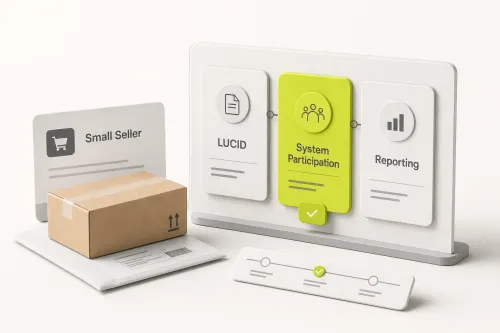
Which German Packaging Act duties matter for small businesses, when LUCID registration and system participation apply and which costs may arise.
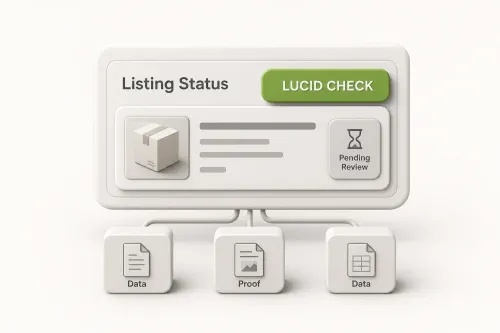
If Amazon listings become inactive because of a missing or invalid LUCID number, sellers should first separate registration, system participation, and Amazon validation.
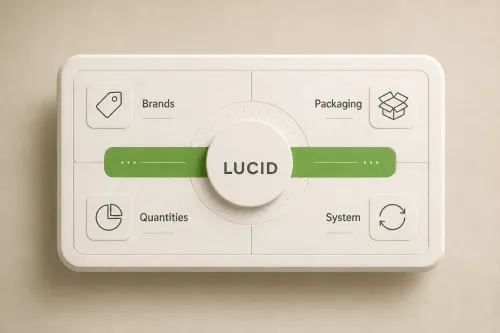
A LUCID number is issued after registration in the German packaging register. It confirms the LUCID entry, but relevant packaging still requires a check of system participation, quantity reporting and evidence.
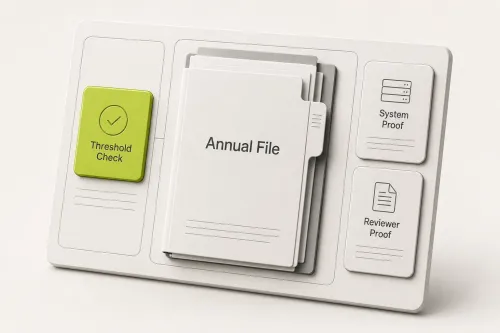
When a declaration of completeness is required: thresholds, 15 May deadline, VerpackDG transition, reviewer role and practical data preparation.
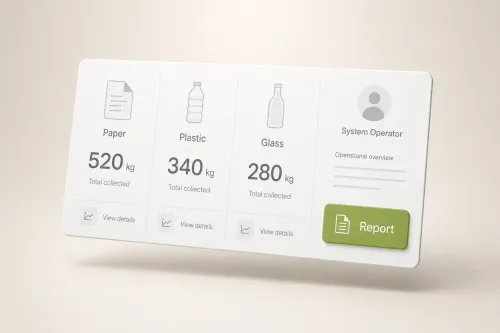
You're registered in LUCID and have a system participation contract. Now comes the data report. What is it, what data goes in, and how does it connect to your contract? A straightforward explanation for businesses preparing their first LUCID quantity report.

If you report packaging quantities in LUCID for packaging subject to system participation, it is important to distinguish four reporting types. This guide explains when each type is used and what the technical deadlines of 31 December and 15 May mean.

System participation is not just a contract. This guide explains when it becomes relevant, what businesses actually need, and how it connects to registration and data reporting.
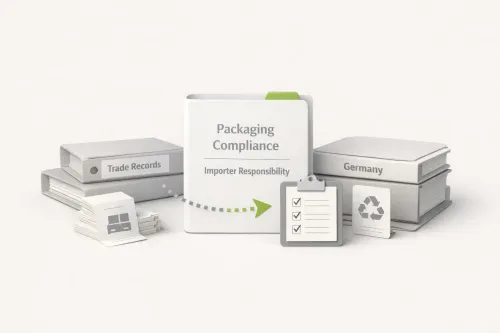
Many LUCID reporting problems start long before the submission itself. This guide explains how to structure brands, packaging types, material logic, quantities, and reporting periods in a practical way.

Many LUCID reporting errors do not come from carelessness, but from unclear data, misclassified packaging, or mismatched reporting states. This guide explains the most common mistakes and how to avoid them in practice.

Online sellers often overlook not only product packaging, but also shipment packaging, import roles, and marketplace obligations. This guide explains what ecommerce businesses need to pay attention to in practice.

Importers often fall under packaging-law obligations without naming that role clearly internally. This guide explains what businesses need to watch in relation to import responsibility, registration, system participation, and data reporting.
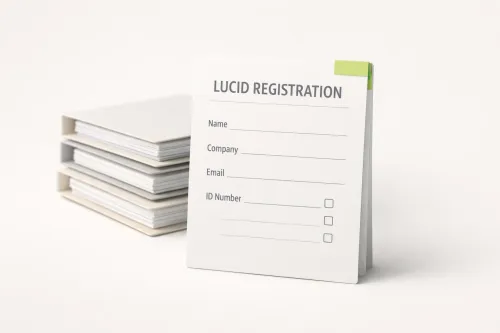
This guide explains who needs to register in LUCID, which information should be prepared, how the registration process works in practice, and where companies typically run into avoidable confusion.

Evidence for the German Packaging Act and LUCID is often only pulled together once questions arise. This guide explains how businesses can structure records, reporting data, contracts, and corrections so that later explanations remain calm and traceable.

Excel can be useful for a first overview. But once registration, system participation, data reporting, and evidence all depend on the same inputs, manual spreadsheet workflows usually become fragile.